
"China coffee market growth"
900 article(s) found

Analysis of China Coffee Consumption Market in 2015
1. Changes in coffee drinking volume and drinking structure in China: compound 13% growth, instant-ready to drink-fresh grinding From 1998 to 2012, coffee consumption in China increased from 199,000 bags to 1.1 million bags, with an annual growth rate of about 12.8%. China has a population of about 1.3 billion, and coffee consumption has risen from 9.6 grams to 47.6 grams, with an average annual growth rate of about 12.1%. If the growth rate of 12.8% is maintained, the deadline

Research on Market Evaluation and Investment Planning of China's Coffee and Beverage Industry from 2016 to 2020
The "Research report on Market Evaluation and Investment Planning recommendations of China's Coffee and Beverage Industry from 2016 to 2020" released by Booz data introduces the relevant overview of the coffee and beverage industry, the operating environment of China's coffee and beverage industry, and analyzes the current situation of China's coffee and beverage industry, the competition pattern of China's coffee and beverage industry, and the operation of key enterprises in China's coffee and beverage industry.

Starbucks embarks on the road of "espresso" in China
Driven by caffeine, Starbucks coffee (Starbucks) has seen explosive growth in Asia. Starbucks plans to expand its 500 stores in China to at least 1500 stores in the next three years, according to a company announcement. The report predicts that by 2014, the company's business in China will become the second largest market outside the United States.
Nestle wants to set up Coffee Center in China
China's coffee market has great room for development. In recent years, both the coffee consumer population and the consumer market in China have shown a trend of rapid growth, with its annual per capita consumption increasing at a rate of 30%, far exceeding the annual growth rate of world coffee consumption. It is estimated that by 2020, China will become a major coffee consumer in the world equivalent to Japan. Therefore, for the major coffee brands to enter the Chinese market hugely
Starbucks benefits from the rapid growth of China's coffee market
SBUX-US, the world's largest coffee chain, reported on Friday that revenue in the Asia-Pacific region jumped nearly 30 per cent, the highest since the same period last year. "CNNMoney" reported that Starbucks reported bright financial results, of which the biggest cash cow was China. RJHottovy, consumer stock analyst at Morningstar Fund, pointed out that Starbucks sold

Market Survey and Prospect Consulting report of Coffee chain Industry in 2014-2016
At present, coffee consumption in China is still small, but the growth momentum is very considerable. With the popularity of coffee in China and the gradual expansion of consumers, the retail scale will maintain a momentum of sustained and steady growth. The China Business Intelligence Network predicts that by the end of 2018, the retail volume of coffee in China will be close to 65000 tons, and the retail sales will exceed 12 billion yuan. With the improvement of residents' income in our country, the quality of life

2017 Kangfu special beverage seminar and Cascata180 nitrogen cold drink system conference
(Shanghai, China, May 6, 2017) on May 5th, the 2017 Kangfu Greater China Beverage Seminar and Cascata 180 nitrogen Cold Beverage system Conference hosted by Hong Fu China was held at the JW Marriott Hotel in Shanghai. Different market research reports from Kangfu Global and Asia-Pacific region show that China's beverage market will show blowout growth in 2017, based on the rapid growth of the industry.

Coffee consumption in China is growing at an annual rate of 25%-while the average growth rate of coffee consumption in the world is
Although China's coffee consumption is facing an awkward situation, the sustained and rapid growth of consumption also makes people in the industry optimistic about the development prospects of China's coffee industry. At present, China is one of the countries with the fastest growth in coffee consumption in the world. At present, the consumption of coffee in China is about 200 billion yuan. Consumption is growing at an annual rate of 25%, while the world's coffee consumption is growing at an average rate of 2%.
Nestle wants to "add weight" to China's coffee market development
Recently, Nestlé (NESN.VX), the world's largest food company, has made frequent expansion actions in China. In addition to continuously acquiring domestic enterprises, it has also directly increased its main business segments including coffee, in order to rapidly increase the proportion of its business in China. Nestle Greater China President Di Kewei told China Securities News on the 22nd that China has become the world's second largest economy and represents the Chinese market

China's coffee consumption is increasing year by year-the growth rate has been stable at more than 16% in the past decade.
In terms of absolute quantity, coffee consumption in China is still in the doldrums. At present, the scale of the global coffee consumption market is about 12 trillion RMB. The United States is the largest coffee consumption market in the world, with an annual consumption of about 3 trillion RMB, while the coffee consumption market in China is about 70 billion RMB. However, in terms of growth rate, the annual growth rate of coffee consumption in China is about 15%, which is much higher than that of the whole country.

Analysis of China Coffee Franchise Market in 2014
After entering the 21st century, the rapid growth of China's economy, the continuous improvement of people's quality of life, the increasing diversification of drinks, coffee gradually linked with fashion and modern life have led to a rapid increase in coffee consumption, forming a huge consumption potential market.
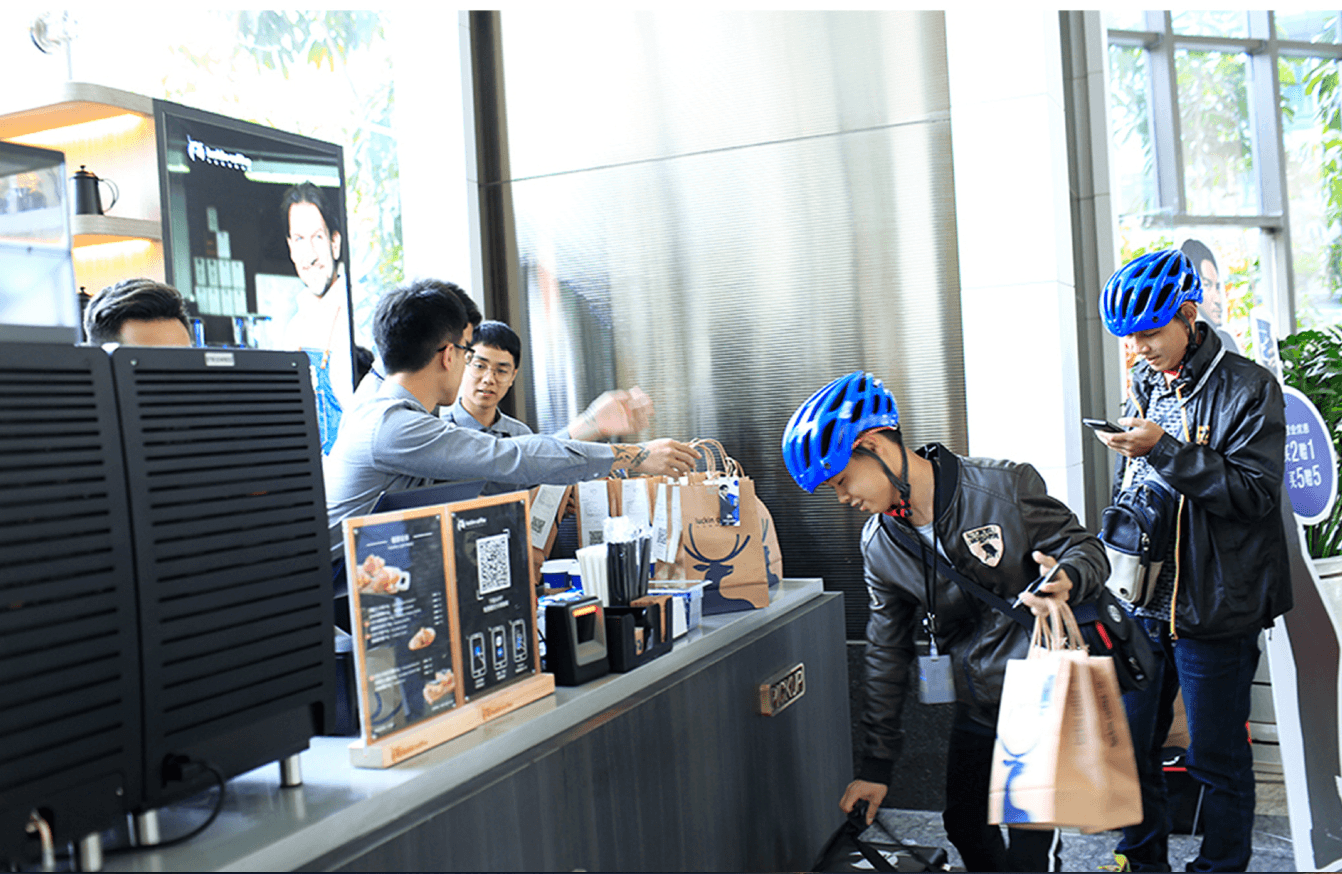
Foreign media: Luckin Coffee or Starbucks' best assists in China?
Professional coffee knowledge exchange more coffee bean information please follow coffee workshop (Wechat official account cafe_style) Luckin Coffee (Luckin Coffee) is a popular new retail coffee brand in China, the popularity of the speed may be the fastest in history, only in January 2018 began trial operation, relying on a large number of subsidies and convenient APP delivery business model, with viral media

The Kopi Luwak counterattack became the highlight of the coffee market ushered in the perfect counterattack after the trauma of the new rival.
With the popularity of the third wave of coffee culture around the world, the number of urban coffee chains in China shows a blowout trend. Among them, Kopi Luwak, which is recognized as the most expensive coffee in the world, is gradually entering the Chinese market.
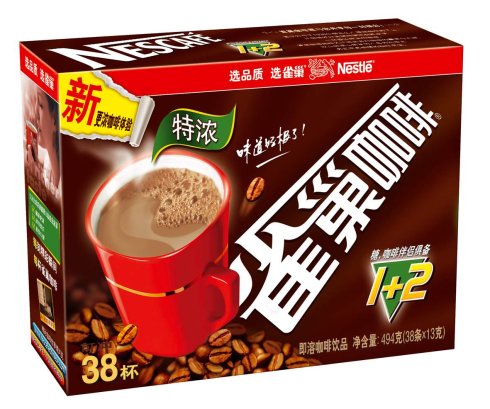
Is Nestl é too optimistic about instant coffee and a drag on mergers and acquisitions?
In February 2015, nearly 400 tons of unexpired Nestle coffee was destroyed in Dongguan, Guangdong, with a market value of nearly 10 million. Nestl é officials responded that the move was to keep products fresh and destroy stocks. The dumping of instant coffee by Nestl é (China) Co., Ltd. (hereinafter referred to as Nestle China) is the largest destruction of instant coffee since the factory was established in 1992. Xu Xiongjun, an expert on strategic positioning of food and beverage, believes that

Starbucks has expanded its stores by 70% in the past five years, hitting China's local coffee brands.
Full of confidence in the Chinese market, China's annual economic growth (GDP) fell to 6.9% in 2015 from 7.3% the previous year, the lowest level in 25 years. It is an indisputable fact that China's economic growth is slowing. However, Starbucks CEO Howard Schultz announced more than once that the company's market size in China will surpass that of the United States to become the world's largest market in the future.

The growth rate of South China market is as high as 30%-Kopi Luwak locates itself in the middle and high end market.
In addition, in order to meet more consumer demand and brand promotion, Kopi Luwak has not only pure high-end Kopi Luwak, but also medium-and low-end coffee with a selling price of about 20,30 yuan, and even instant coffee products. The ratio of high-end products to low-end products is 3:7. At present, cafes are polymorphic in China. In this context, Zhu Danpeng believes that coffee shops such as Starbucks and Pacific Cafe
Market Survey and Prospect Consulting report of Coffee chain Industry from 2014 to 2018
In recent years, the development of coffee cultivation and consumption in China has attracted more and more attention of the world. Maxwell, Nestle, Colombia and other international coffee companies have set up branches or factories in China to provide better varieties and prices for the Chinese market. As a part of the Western way of life, coffee has officially entered the Chinese family and life.

It is expected that China's coffee market will maintain a high growth rate in the next five years.
Following Kaiping (official Wechat account vdailycom) found that Beautiful Cafe opened a small shop of its own from 2011 to 2016. China's coffee market grew at a compound annual rate of 13.5%, reaching 14.793 billion yuan in 2016. According to a survey in 12 inland cities, 32% of city dwellers drink coffee. Among them, young men and women, housewives and urban white-collar workers become drinks.

Coffee consumption market annual growth of 25% hand-washed grinding will be more popular
As consumers 'coffee consumption tastes are getting higher and higher. Consumers are beginning to recognize the brand, style and purity of coffee and want to enjoy coffee. The popularity of office and home coffee machines provides convenient conditions for consumers to consume coffee beans. In addition, large coffee chains have entered China, such as Starbucks, CAFFE PASCUCCI, Shangdao, Man Coffee, etc.
Coffee shop research report: research on the competition pattern and investment strategy of coffee shop industry in 2013-2017
In the past decade, coffee shops have sprung up in the streets of major cities in China, especially with the entry of Starbucks, Shangdao and other large enterprise groups, the market is showing a lively scene. Coffee consumer groups are gradually growing, coffee culture is gradually taking shape in inland cities, and the domestic coffee consumption market continues to expand every year. Although the current country